
The first stop on my night was always going to be the Knepp Estate in Sussex. I had been an annual visitor since my awakening to nature during the pandemic. And even before that1.
It wasn’t the first place I had knowingly heard the song of the nightingale. But it was there that I had first got the sense of what the English countryside must have once sounded like in springtime.
I will never forget standing on a tree platform at Knepp that was a veritable Surround Sound speaker blaring out a cacophony of nightingales, turtle doves and cuckoos from every direction.
The optimism around the first sortie on my quest was heightened when I learned that BBC’s ‘Springwatch’ would be hosted at Knepp this year. Worthy recognition for the gamble that Isabella Tree and Charlie Burrell took when they turned the greater part of their land over to nature to let it do its own thing over 20 years ago.
The bus-train-bus-walk journey I took from London went relatively smoothly. Tramping past the ruins of the Norman castle at Knepp I took a battering from a hailstorm. It looked like it was going to be one of those ‘four-seasons-in-a-day’, an English speciality at this time of year.
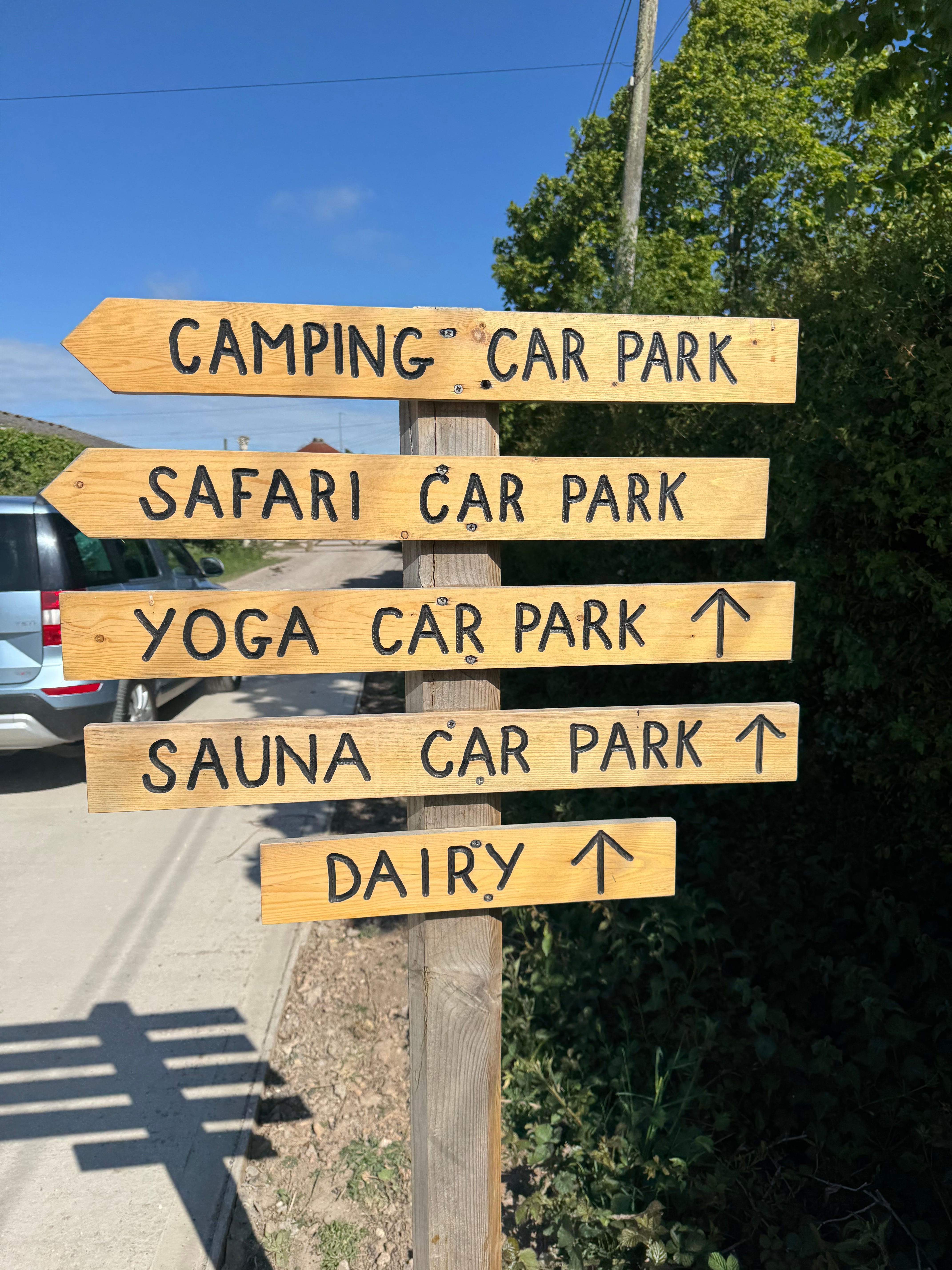
I pushed on past the visitor entrance to the Southern Block of the estate where visitors are funnelled. There were many activities on offer to improve my wellbeing but I was single minded that it was going to be bird song, or one particular bird song that would uplift me. I didn’t have to wait too long.
I heard the unmistakeable call of a male cuckoo. My heart leapt at the sound, a reaction now felt by many. Once it was commonplace, something that used to be marked in the letters column of the Times. People would write in to log the first cuckoo of spring, the place and the date. Now they are registered as an absence. According to Isabella Tree, the most common comment in the Knepp campsite’s guestbook runs along the lines of: “I heard a cuckoo. It reminded me of my childhood”.
The soundscape was full of chaffinches too that day. The old Observer wall chart pinned to the cork board in my parents’ kitchen confidently proclaimed the chaffinch “our most common bird”. But I have to go to a specific corner of my local park to have any chance of hearing one now.
I continued walking through the Serengeti-like landscape when I was treated to a sight that was definitely not to be found in a 1990’s Sunday supplement.
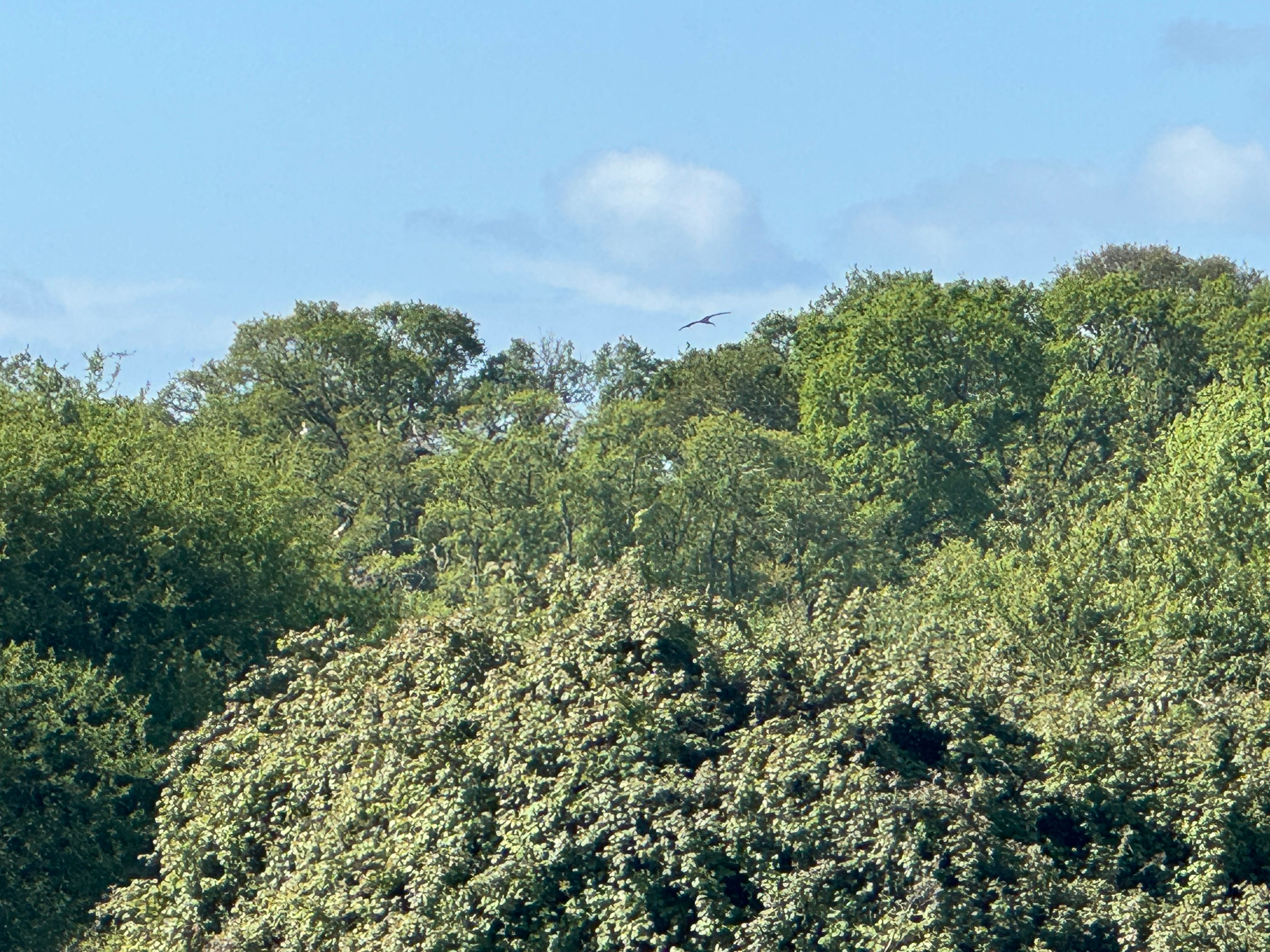
At least half a dozen white storks had irrupted out of a stand of mature oak trees. A pair of buzzards and overflying red kites were circling overhead, ready to pounce on their chicks.
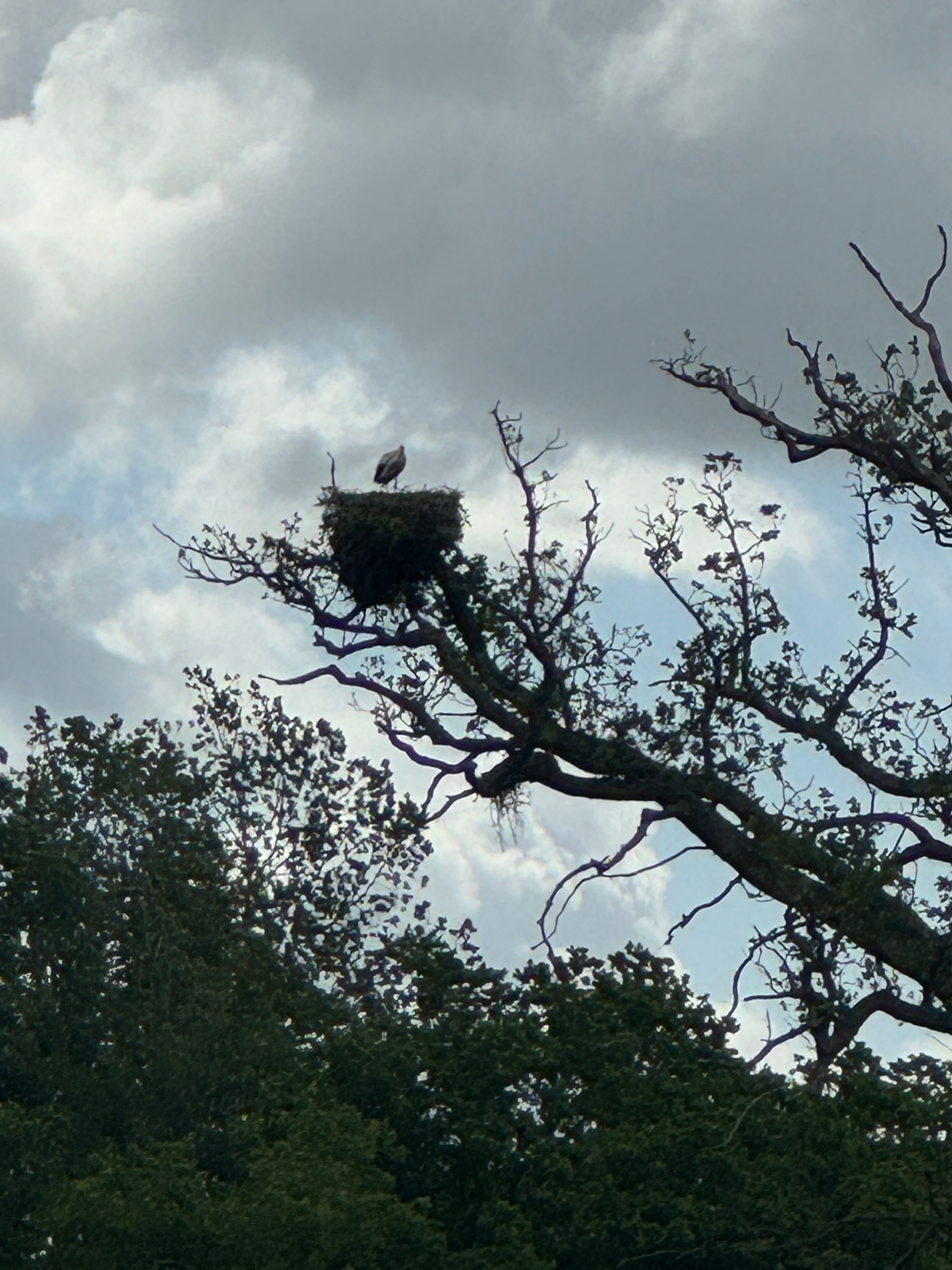
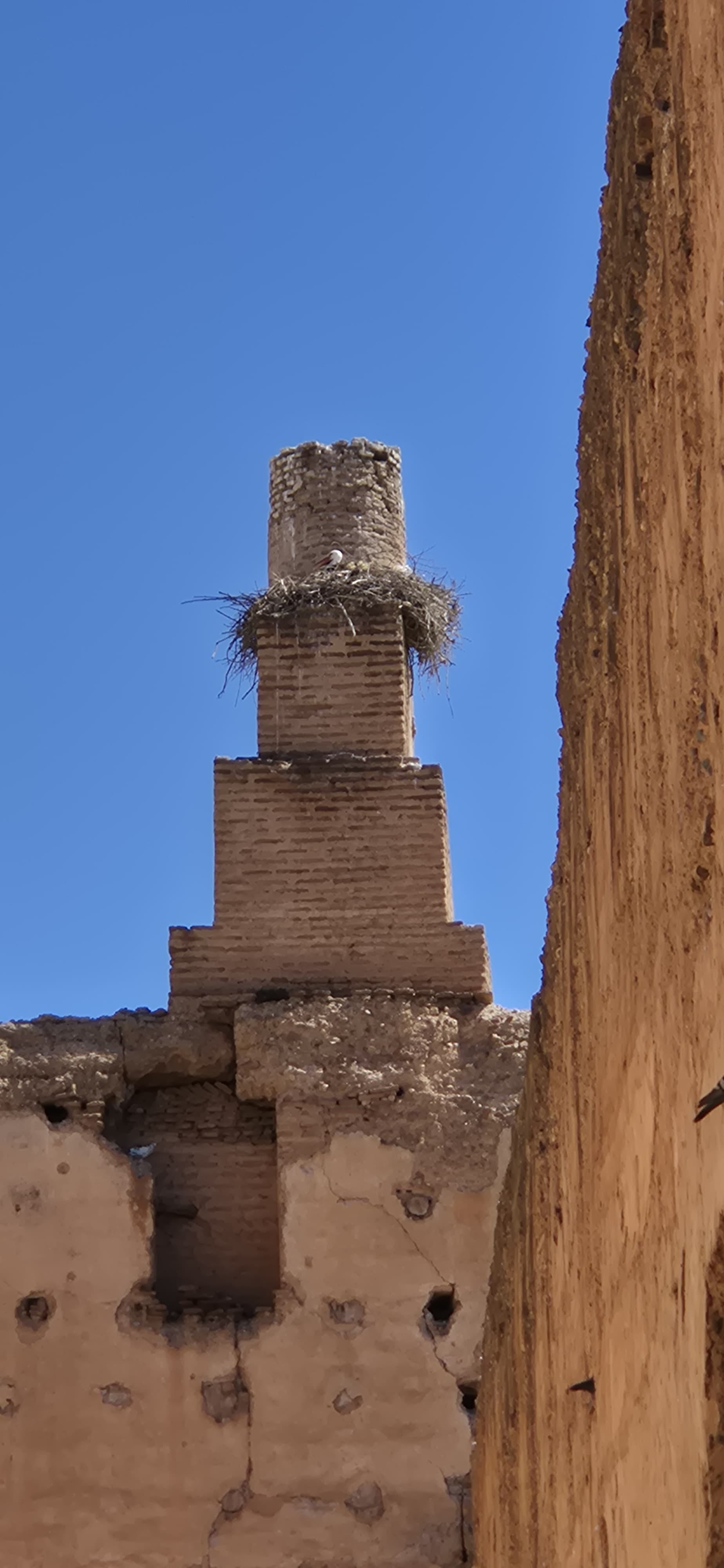
Only the branches of the oak are sturdy enough for a stork’s nest which can grow to the size of a tractor wheel and literally weigh a ton. When I have seen them in other countries the nests are on top of houses or man-made structures like this chimney in the ruins of the El Badi palace in Marrakesh that we saw in March.
The story of the white stork’s return to the UK after an absence of 600 years means they have been catapulted to the top of the charts. Their visibility and their charismatic bill-clattering displays mean it’s no wonder the storks are the stars of the show. There are stork safaris, stork books and stork merchandise everywhere at Knepp.
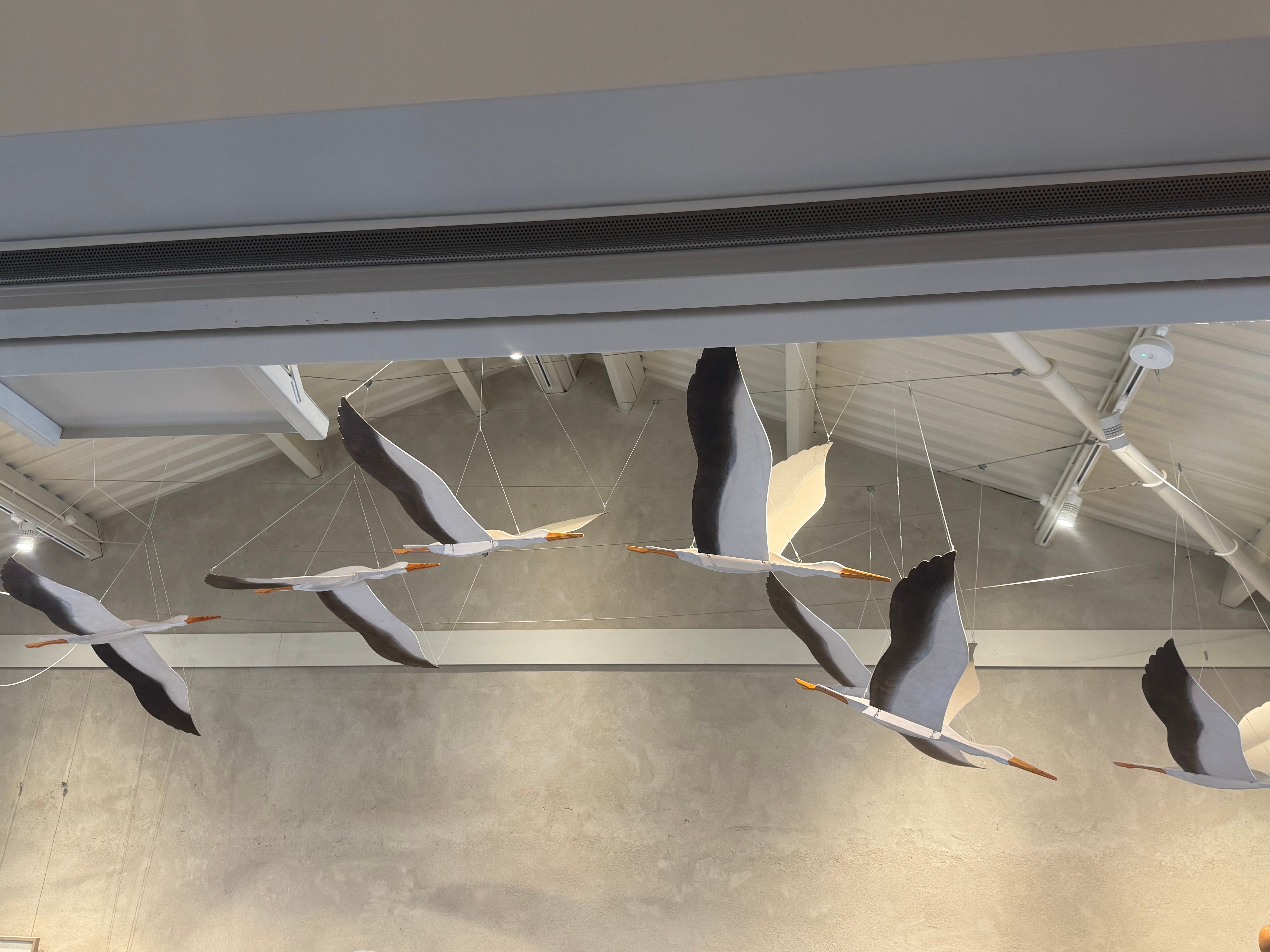
And what of the nightingales, the reason for my trip to Knepp? It was only a couple of years ago that they were getting the ‘tea towel’ treatment in the shop.
The fact is, I only heard one in my two hours walking the estate. And that was deep in a blackthorn thicket, some distance away. Not a great start to my nightingale quest.
Were they still around? I felt real concern as I walked back to take the bus home.
Two weeks later I switched on the BBC’s flagship nature programme, Spring Watch where Knepp was going to be featured for the first week.
That evening Iolo Williams was presenting from there live. And he could barely be heard for the cacophony of nightingale song around him.
So my catastrophising was premature. I had just chosen the wrong weather or the wrong day or, most likely, the wrong time of day.
I was relieved that the nightingales were still there, 70 breeding pairs in fact, a still growing population at Knepp.
I would just have to seek out another spot from my nightingale hit list in order to find them this year.
Love to share your rambling and love of birds. I don't think I have ever heard a nightingale. I certainly can't imagine a cacophony of them. To me they are birds from a Keats poem, a symphony by Sheldrake. Keep on keeping us informed.