
After the disappointment of Knepp1 I realised I needed to change things around if I wanted to have any chance of encountering a nightingale in 2026.
For that reason the following week I decided to make an early start and stay in sight of the M25 that girdles London, on the Kent side of the Thames Estuary.
“The Garden of England” may be the strapline for that county but bucolic this part of it is not. My destination would be in sight of Tilbury docks, the Dartford Road Bridge and the rougher edges of Gravesend.
Just to underline that this wasn’t going to be a picturesque day, work was already underway on the Lower Thames Crossing that would eventually tunnel under the river there. The project had just limped across the line after gaining planning permission at a cost of £300 million and 359, 866 pages of documents. Diggers and surveying crews would be scattered across the landscape.
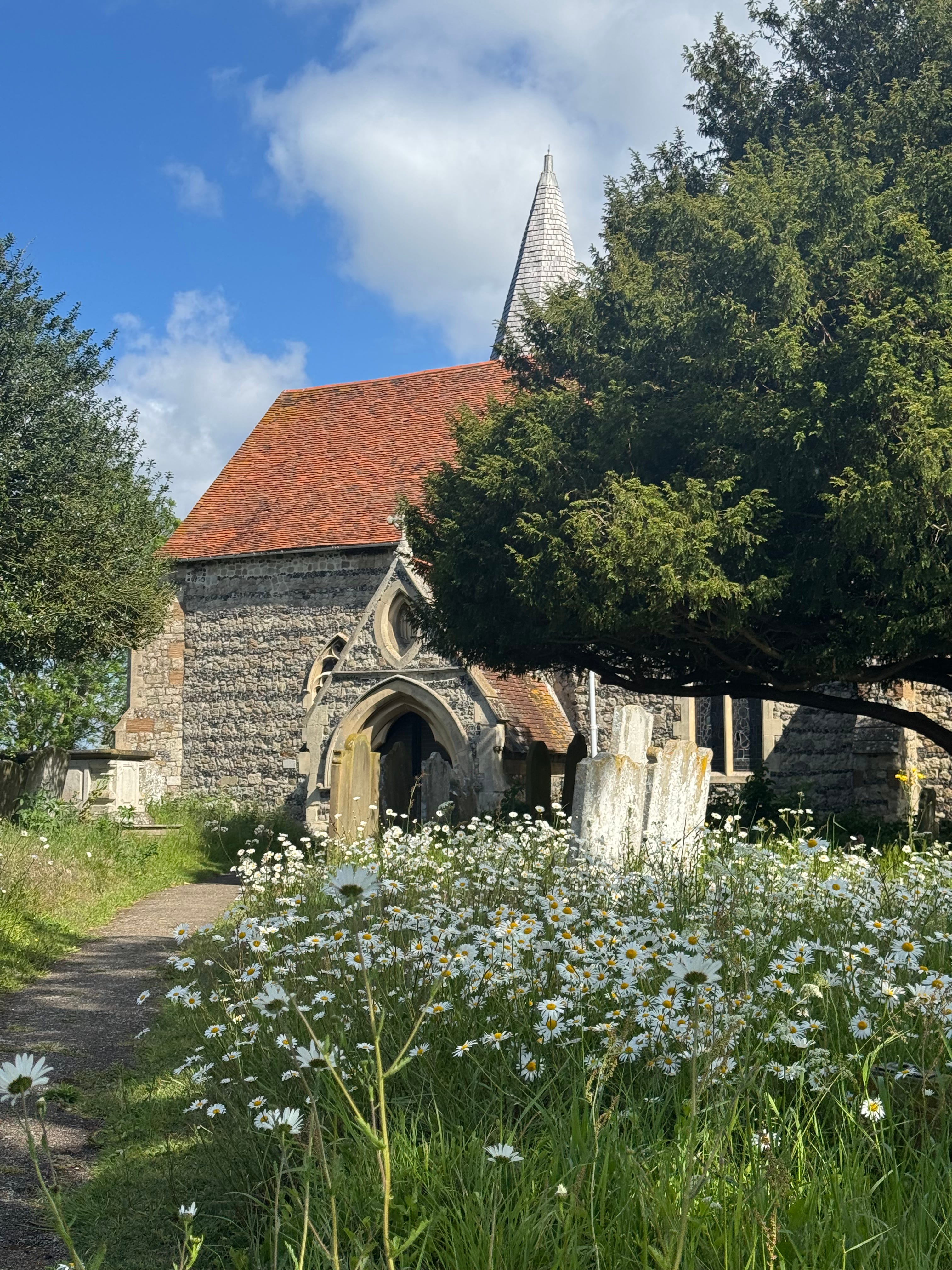
I got out of Higham station, already a couple of hours ahead of last week’s hunt, thanks to the high-speed line that the Eurostar uses. I walked a mile northwards ignoring the dead-end signs to arrive at a church that had Charles Dickens’s fingerprints all over it.
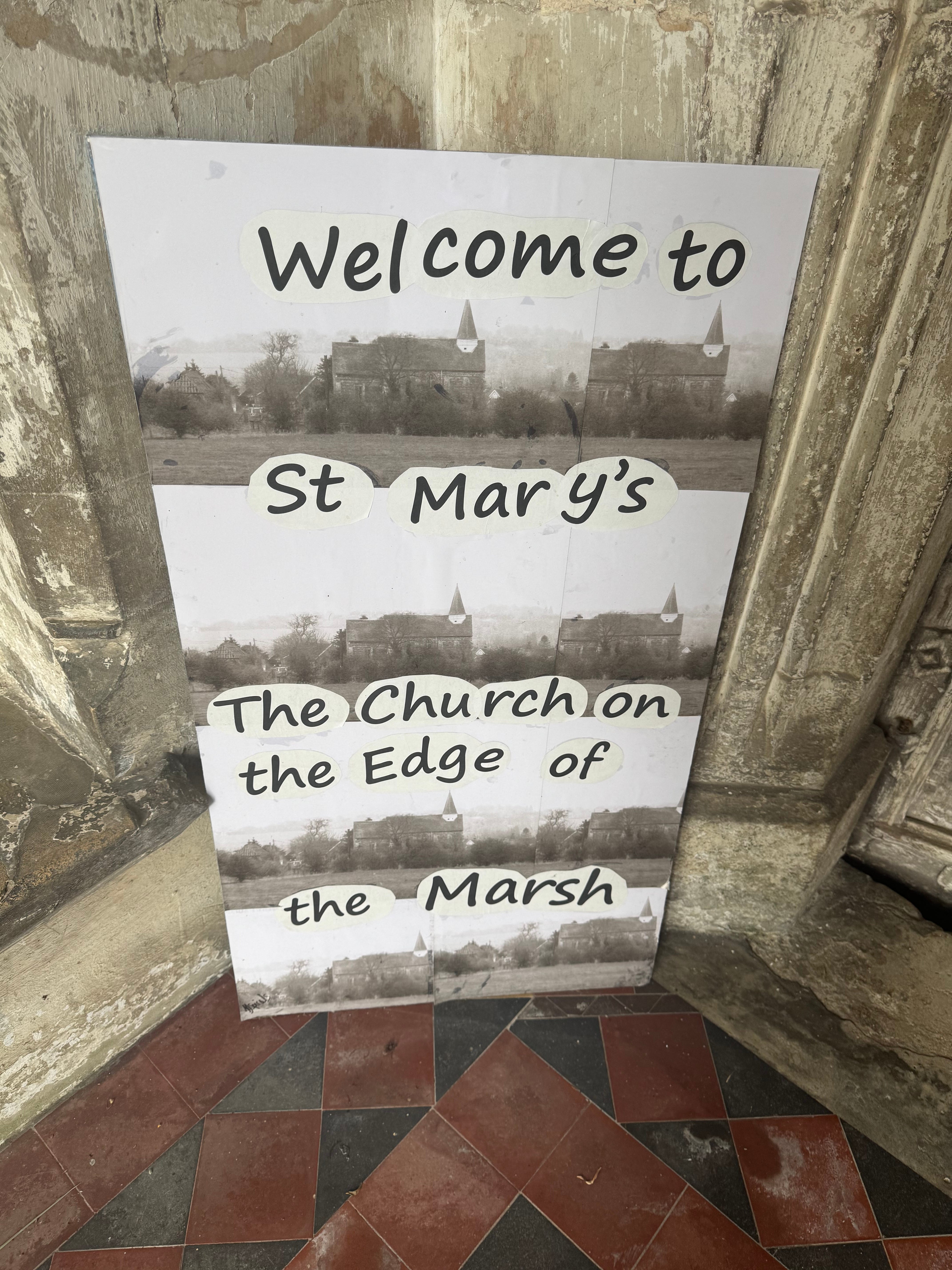
You mean, the church on the edge of the marsh where the escaped convict Magwitch collars Pip in the graveyard in Great Expectations?
The short answer was disappointingly ‘no’. It was the church where Charles Dickens gave away his daughter Katey in marriage but the model for the novel’s opening was probably St James’ in nearby Cooling2. But this one really looked the part to my mind, despite the sunny weather, despite the swallows skimming the gravestones and the distinct lack of fog coming off the marsh.
Inside St Mary’s was a helpful volunteer. I asked her if there were nightingales about as I was keen to track them down. “Nailed on”, came her reply. If I took the footpath to the right as I came out of the churchyard I would be deafened by their song. Well, that was reassuring.
With a spring in my step I followed her directions across a single track railway. Once on the marsh there was an abundance of birds, that was for sure. I spotted lapwings, egrets and oystercatchers. There was even a mini murmuration of starlings. But there were no nightingales to be heard.
If I was honest the landscape didn’t look nightingale friendly. There was none of the impenetrable scrub they need to hide their low-lying nests from predators.
Then the penny dropped.
I walked into a cacophony of reed warblers and sedge warblers riffing off each other; always an absolute pleasure to behold. My helpful guide must have mistaken them for nightingales whilst walking her dog.
Was I going to be disappointed yet again?
I struck out further into the marsh towards the banks of the Thames itself where I had my second Dickens moment of the day.
Watching the container ships inch their way towards Tilbury Docks, I caught sight of the wreckage of ships buried in the foreshore from times gone by.
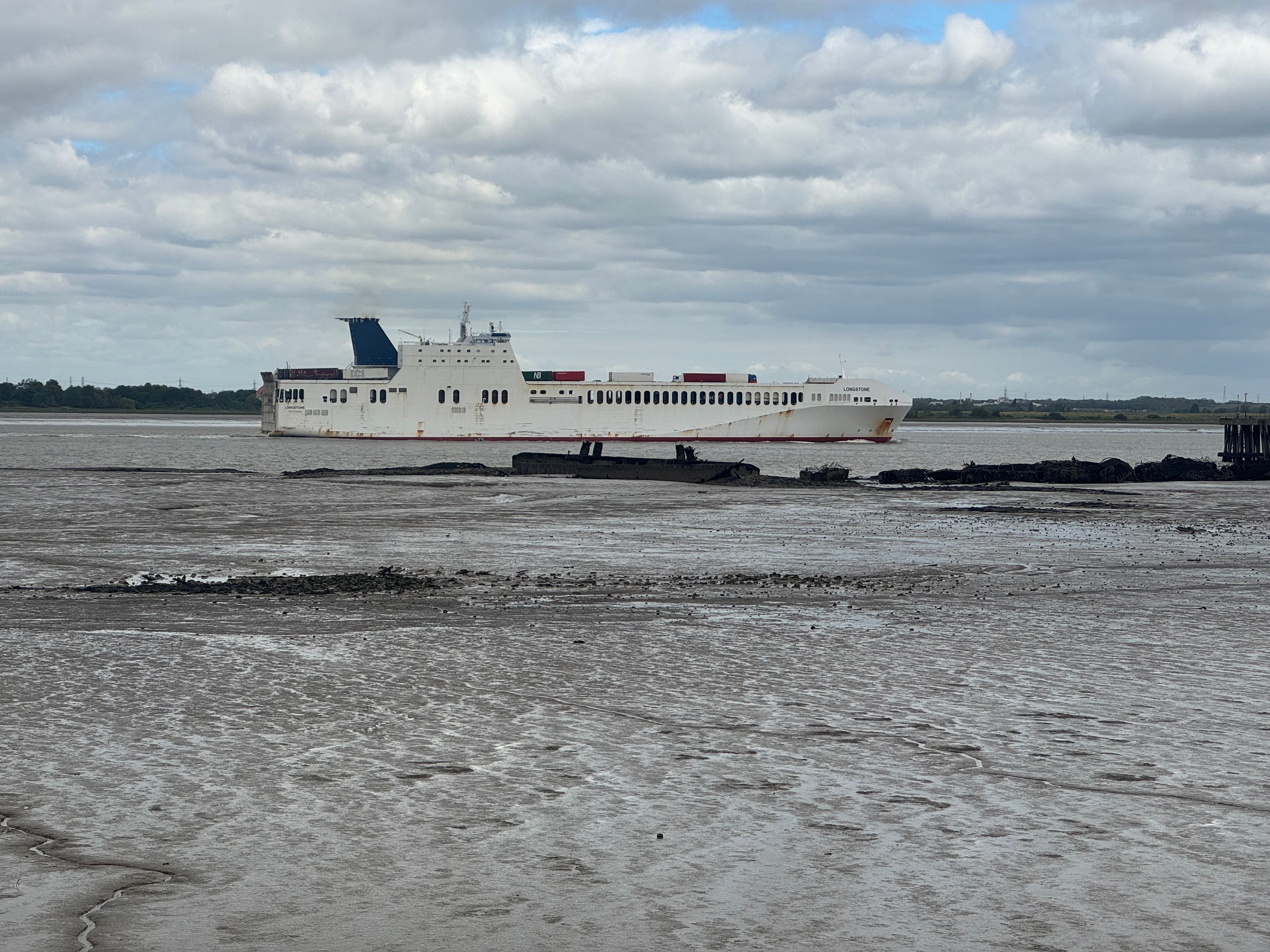
Could they have been the remains of one of the prison hulks that Magwitch escapes from? Or of the skiff he takes out of Gravesend to escape to the continent before his arch-nemesis Compeyson shops him to the authorities?
Out onto the headland now, I was on what is now grandly called the King Charles III England Coast Path but it is barely navigable at this point. Blackthorn and brambles have taken over and few walkers must have been about to trample them down.
A crumbling concrete structure loomed ahead. This was Cliffe Fort built in the late 19th century to keep the French out as is almost every structure on this foreshore. It started to sink into the marshes almost as soon as it went up. Its ruin is now made total by the wharves and dredged spoil heaps of mined aggregates that surround it on three sides.
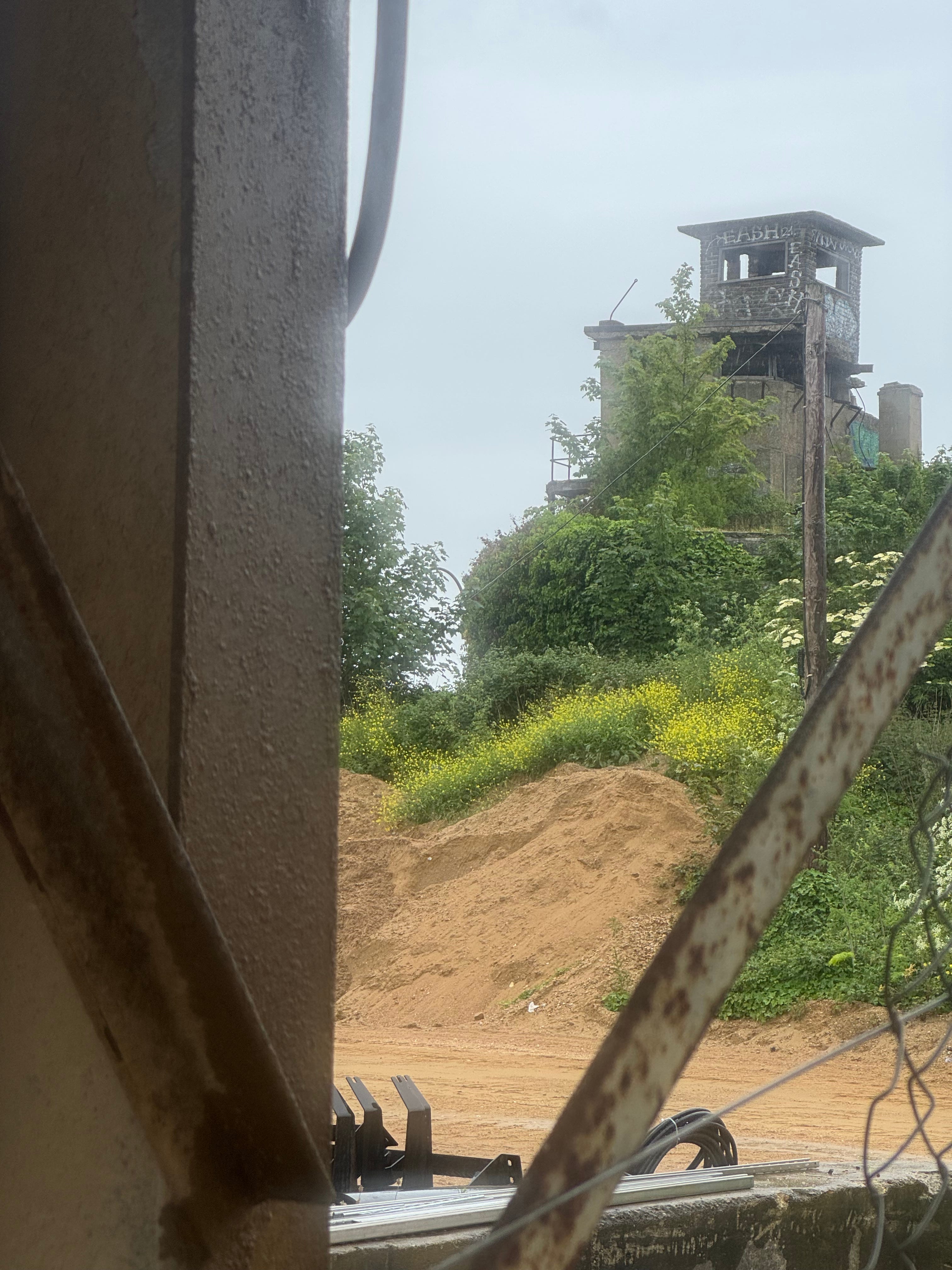
It looked a wholly unpromising spot for nature but all the while I am being dive-bombed by swallows in numbers I have never encountered this close to the centre of London. Goldfinches twitter all around and the rich melodious warble of blackcaps, the ‘northern nightingale’ fills the air. The call of a male cuckoo drifts across the soundscape. Where human agency was visible at Knepp, this is purely accidental rewilding at its finest in what must be one of the ugliest places in south-east England.
I sat down to unwrap my sandwiches on an adjacent pile of crumbling concrete, the remains of a launch slipway for a Brennan Torpedo. The first guided missiles in the world, these would also have been targeted at anything hostile heading up the estuary towards London.
That’s when I heard it, my first nightingale of the day, the cadences of its song cascading just above my head for half an hour. And then a second bird just a few yards further on.
So why did I hear nightingales here whilst I struggled to catch any at Knepp, which must be the bird’s prime stronghold in England now?
I was struck by just how unloved and untended this post-apocalyptic location was. The RSPB Cliffe Pools reserve butts up against the fort but their writ does not run to the ruins of these listed sites of dereliction, war and destruction.
I had not seen a single person for two hours since leaving the church. No walking groups, no birdwatchers, no dog walkers. The spot’s very remoteness from human contact along with suitable habitats for the birds were what had the nightingales holding on for dear life here.
This accidental rewilder would be making sure he returns year after year to this untidy and unloved paradise for his annual dose of nightingale.
Glad you got to hear one! I’ve never heard them.