
I lay on the sofa whilst my three year old grand-daughter inspected my feet, fascinated by the scenes of devastation she found there.
I winced when she prodded the blood blister on my left heel. As a result my almost skinless right little toe was given a gentler touch. And thankfully she left in place the nail that was about to fall off.
It was a few days after the completion of Week Two of the South West Coast Path.
Pete and I had polished off the first stretch from Minehead to Barnstaple in May 2025.
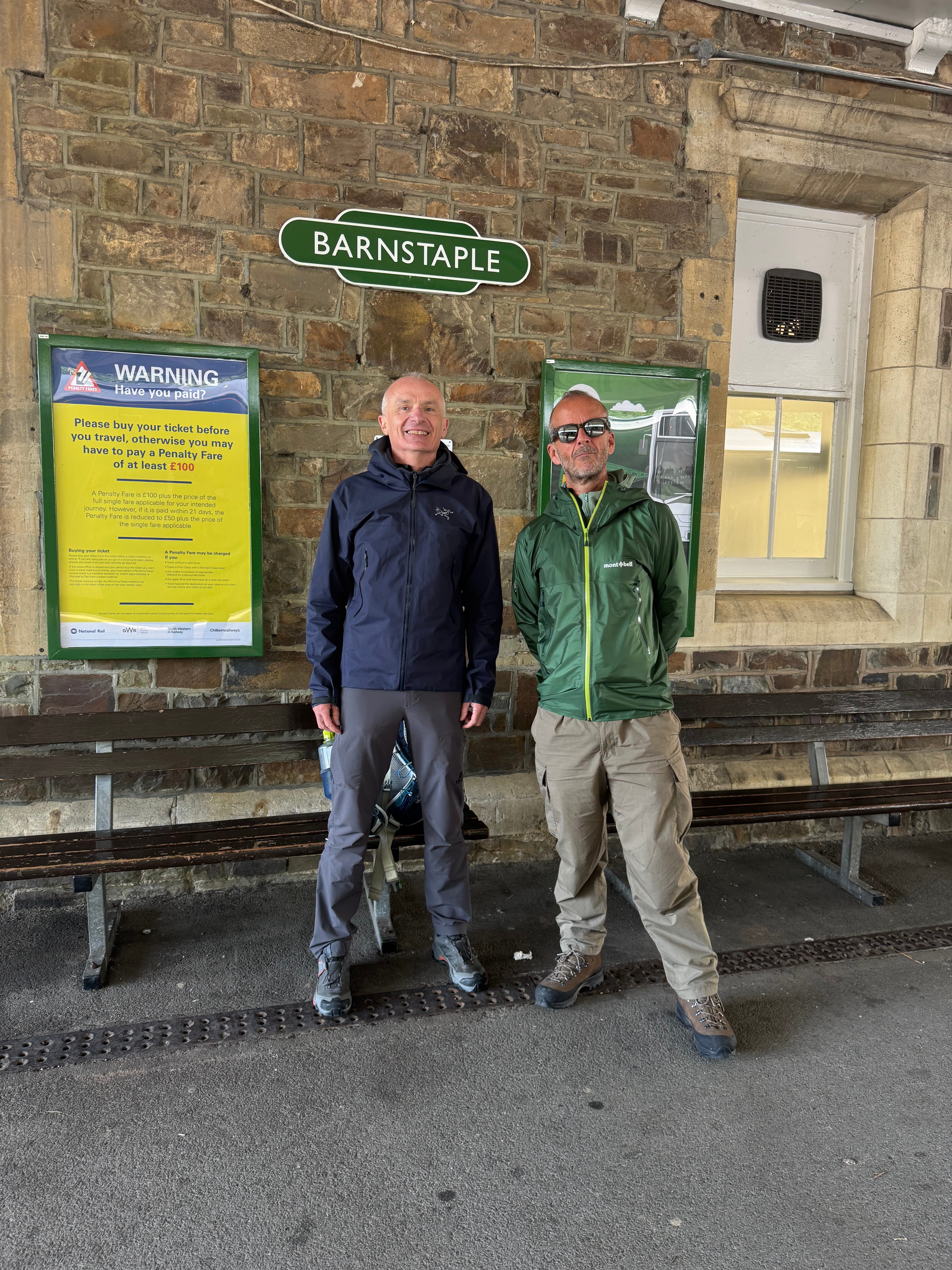
Almost a year to the day we took the train back to Devon to pick up where we had left off. Seven days and well over 100 miles and 20,000 feet of elevation later we signed off at Padstowe in Cornwall.
Our arrival this year in the West of England coincided with the height of spring migration. The squadrons of swallows hugging the headlands on their way north was a sight to behold.
Three years earlier I had paid good money for a week’s holiday in Spain just to watch birds like that stream back across the Straits of Gibraltar from Morocco. This was at least as impressive and moving. And it was in my home country and for free.
We came across nearly every other UK species of bird I knew during that week of walking but one of my favourites was conspicuous by its absence.
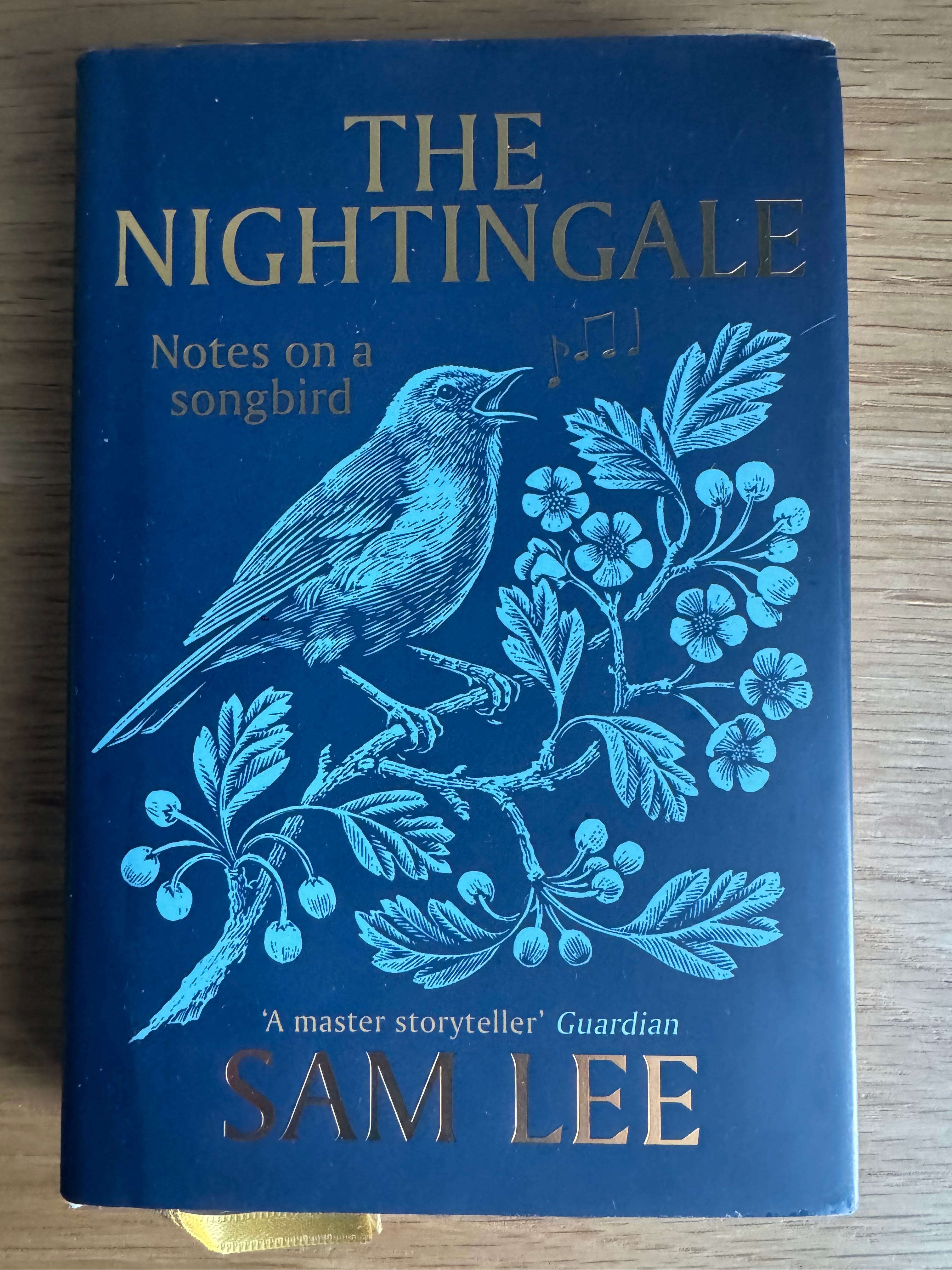
Nightingales have never had a toe-hold on England’s boot. It’s too far out on a limb (literally), too wet, too intensively farmed to hold the thorny thickets that nightingales need to thrive. The south east is where they are still holding on. For now.
With a collapse of 90% in their population between 1967 and 2022, nightingales are now one of England’s rarest birds. So rare indeed that in 2026 people are paying hundreds of pounds and enduring the discomfort of wild camping for the chance to hear them.
I should know. I was once amongst their number.
Three years ago I drove to a secret address in Sussex, pitched my tent and tramped half an hour in complete darkness to another secret spot.
We felt like school kids on a trip. We had to be within touching of the person in front in case anyone got lost or stumbled. There was even a system for passing messages to the front of the line like an army out on manoeuvres.
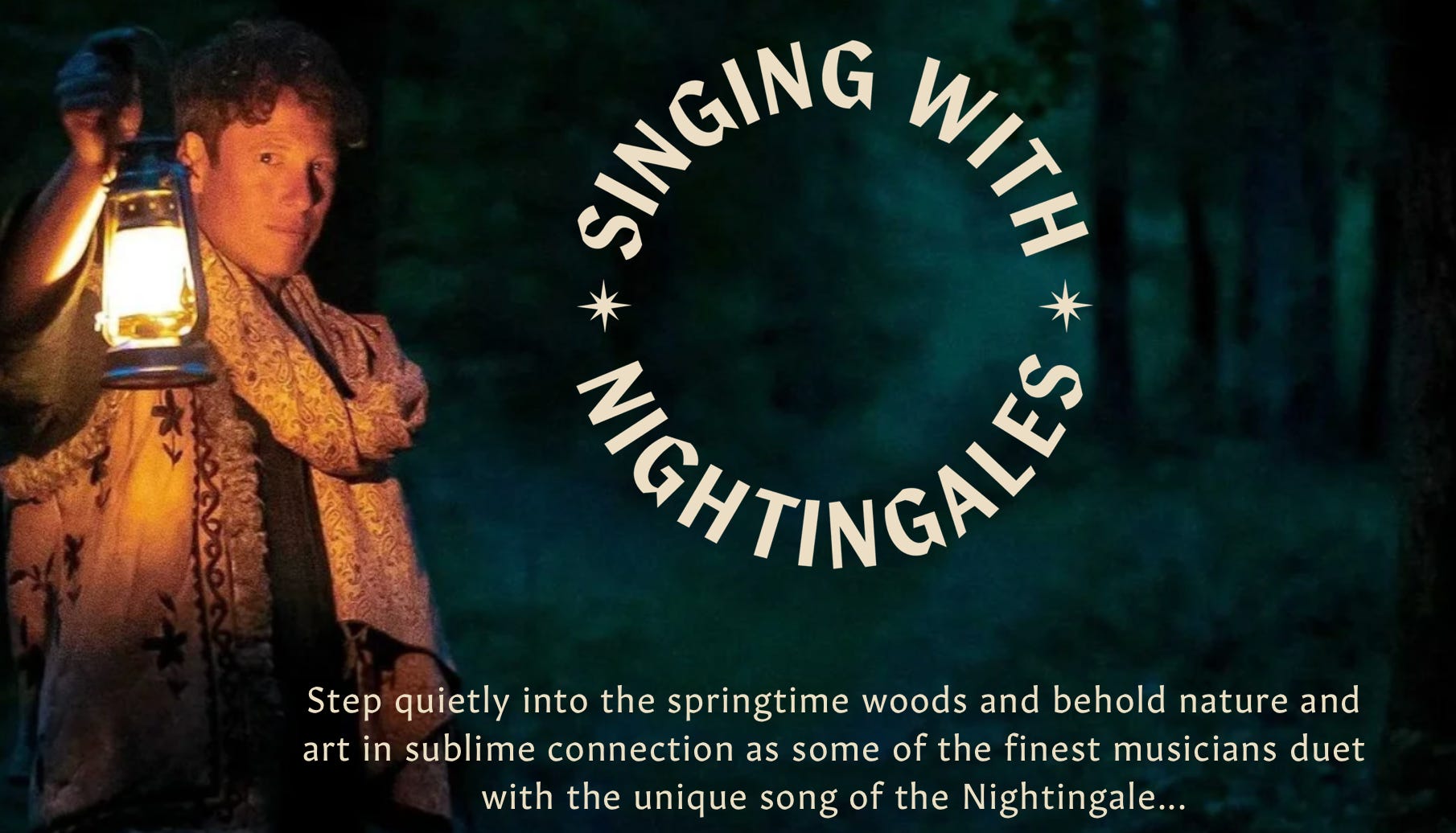
Our conga slowed down at the sound of the nightingales. The signal for silence was passed down the line. The folk-singer Sam Lee then positioned himself below the nightingale and started a duet with the bird with an accordion providing the backing track. It was an unforgettable experience.
Three years on Sam’s events are now that popular that the likes of soprano and singer-songwriter Charlotte Church are guesting on these nightingale walks.
It was well past midnight on our way back to the campsite when I was struck by a thought.
Imagine if those who had lived in this corner of Sussex just 50 years ago had returned. What would they have thought about the levels of discomfort, expense and potential risk people were running now just to hear the song of a bird that they would have regarded as relatively commonplace back then? Hopefully, a degree of shock at the very least.
The clue is in the name. If you look it up, Luscinia Megarhynchos, you would see that its name is the Common Nightingale. Looks like a kind of cruel joke in 2026 in the UK.
From my sofa, nursing my trashed feet after my trek, I vowed that I would undertake my own personal nightingale odyssey. I would return to the spots in south east England where I had first got to know them just a few years back, as we emerged out of lockdown.
An already rare species that has probably declined further in that short time, I decided to make the quest even harder for myself.
Back then I owned a car. Now I don’t. So I would have to rely on public transport and my own two feet to track down this secretive bird.
That would count out some of my favourite and most productive spots like Essex Wildlife Trust’s Fingringhoe Wick. That would take half a day’s trek without a car despite being just 50 miles from London.
Public transport would restrict my options in other ways too. Back then I could drive to these places at dusk when the nightingale was limbering up for night-time when they would have the soundscape to themselves. Arriving late morning on foot would be bang in the middle of their siestas. There would be fewer birds singing and the males would be going off half cock (literally), holding back till night fall1.
Despite these self-imposed handicaps, I would set off on three successive Wednesdays in May to walk with nightingales.
I knew their hot-spots but would they even still be there?
And how would I feel if I did?
Joy at their song?
Melancholy at their rarity?
First stop would be a return to Sussex.
I came across nightingales singing by day here, in a quiet woodland on the edges of a small Turkish town. It was the first time I had ever heard them (I couldn't see the birds clearly- but just identified them by their song). They have such stunning voices.
What a wonderful idea!