
There actually does exist a patch of land already restored to nature that I call my own. At least for a few hours a week.
One of my volunteer gigs is as a ‘guide in the hide’ at the London Wetland Centre. I am there most Mondays from 10am to 2pm.
At the end of the last century the site was just four concrete bowls next to the river Thames, reservoirs serving south west London.
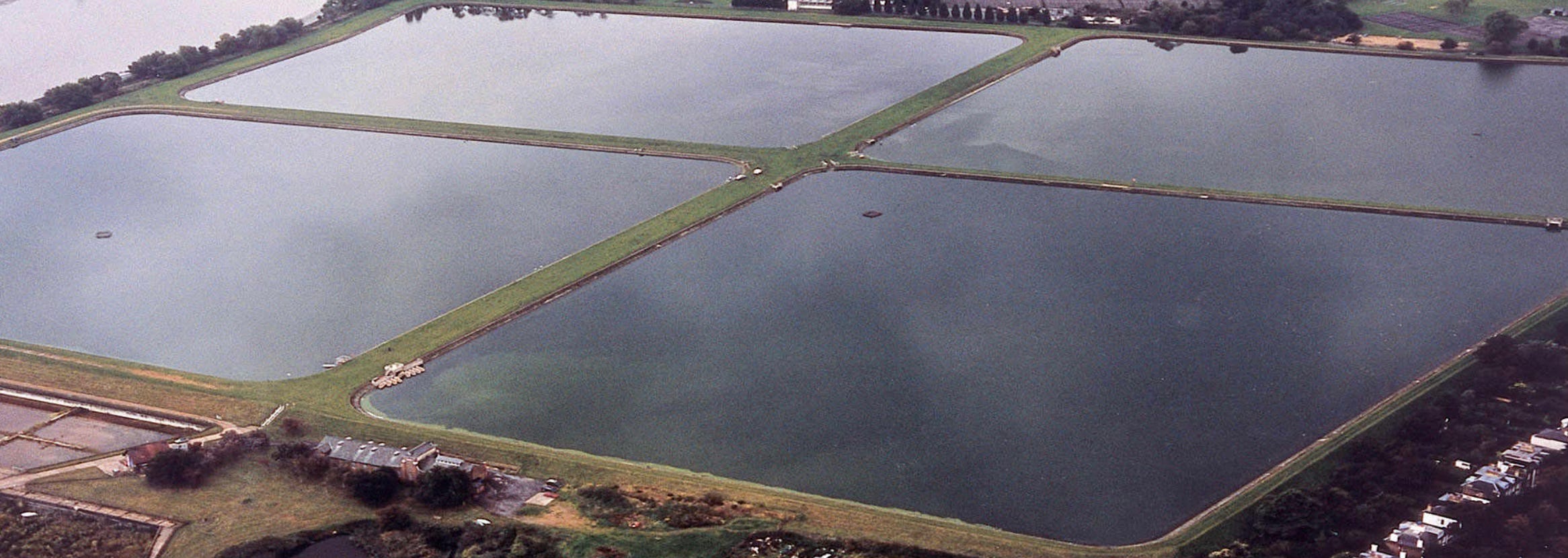
They were made redundant when the London Ring Main was opened thus improving the efficiency of the capital’s water supply. Plans to build a shopping centre and housing developments in place of the reservoirs met with a wave of local opposition. Questions were asked in Parliament and the site ended up being preserved for nature.
The place was handed over to the Wildfowl and Wetland Trust and Sir Peter Scott’s dream of a London site was fulfilled, albeit posthumously.
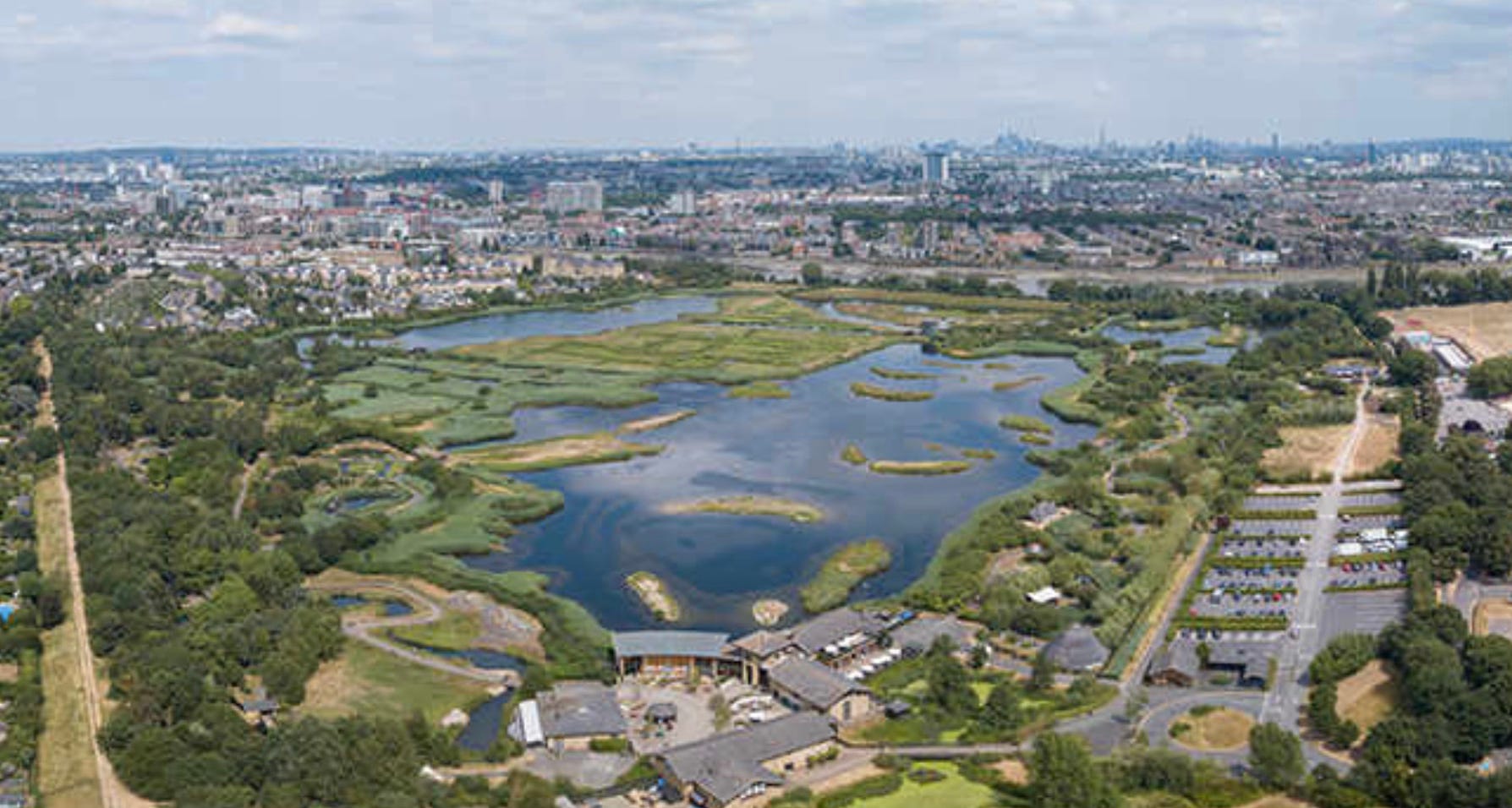
There are half a dozen ‘hides’ at the Centre that camouflage birders and photographers from the wildlife. At the Wetland Centre they look like they belong there.
However, sometimes when I come across a hide ‘in the wild’, they strike me as bizarre additions to the landscape, especially when viewed from the outside, from a ‘bird’s eye view’ so to speak.
When I see them on my coastal walks, they are often in proximity to the pill-boxes built in 1940 in preparation for the anticipated Nazi invasion at the start of World War Two.
It’s sometimes difficult to tell them apart.
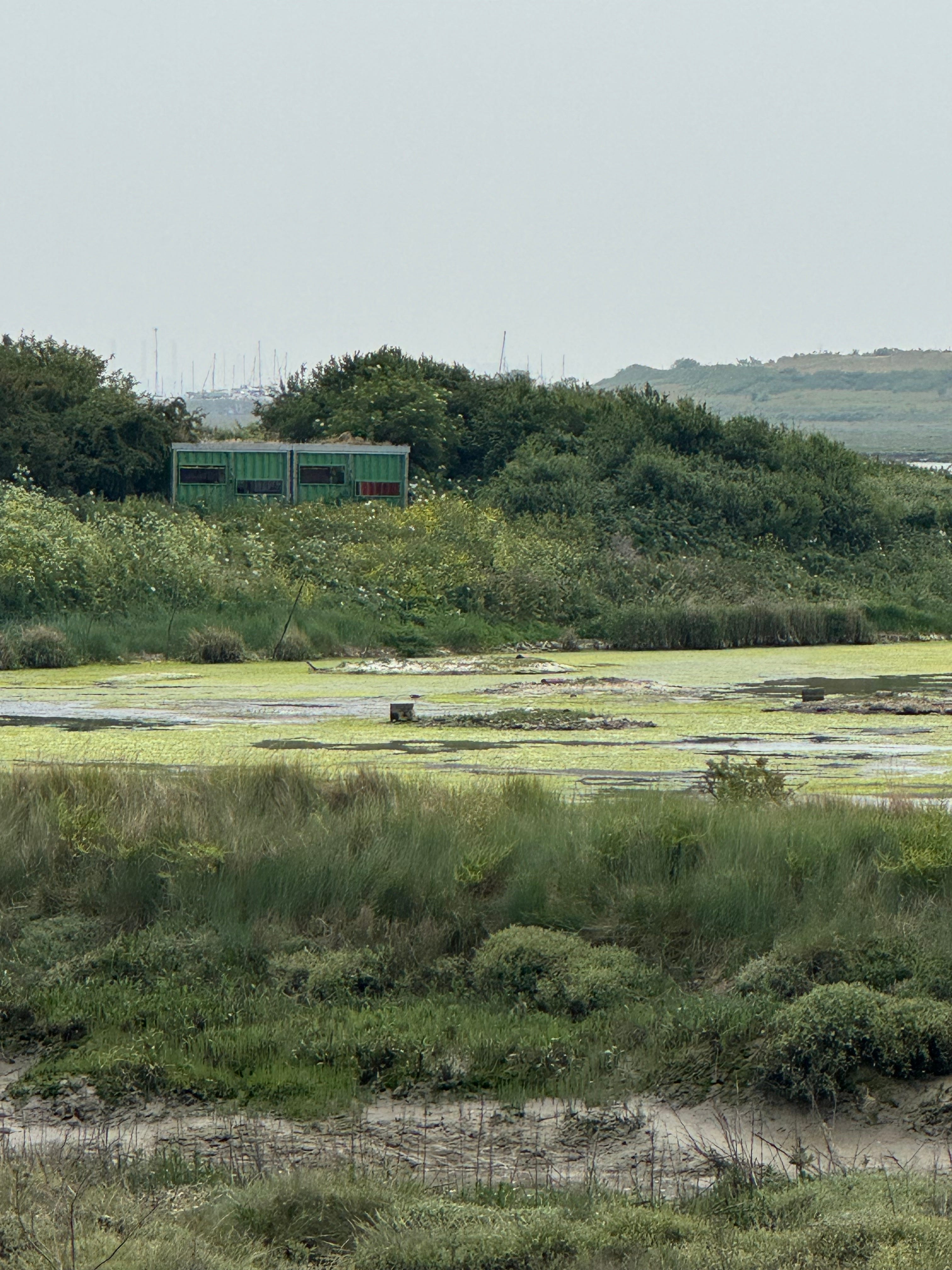
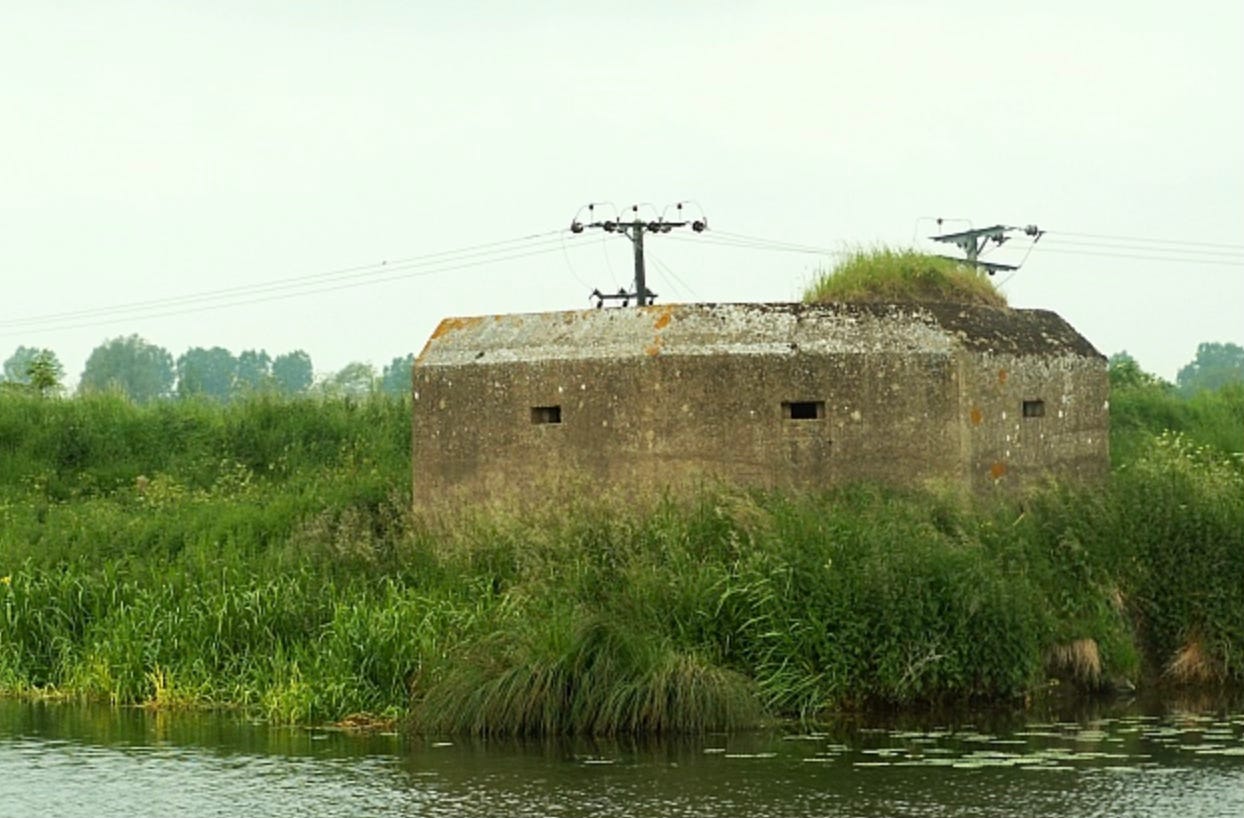
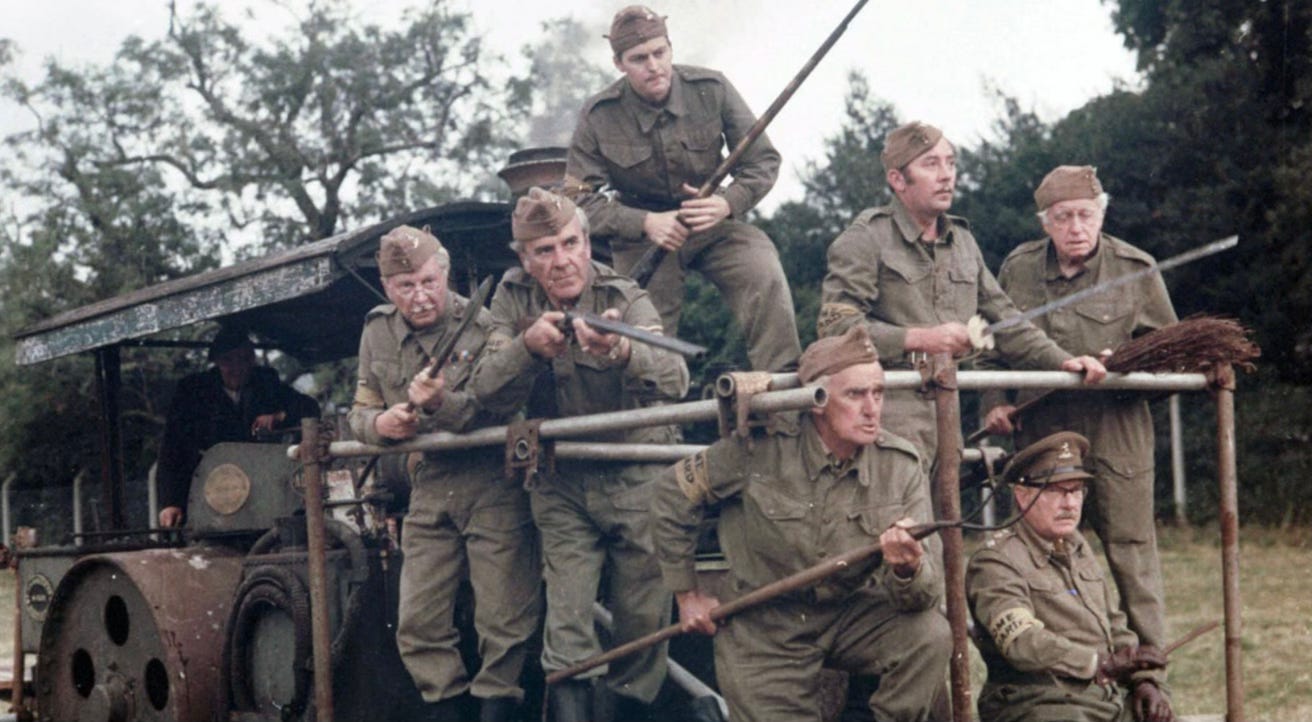
Such a sight sets me off humming ‘Who do you think you are kidding, Mr Hitler’, the theme tune of the 1960s British sitcom ‘Dad’s Army’.
Especially as I know that the hide is likely to contain a majority of ‘men of a certain age’ like myself who would have been called into the Home Guard on the advent of World War Two to face down the enemy.
Newby visitors to the London Wetland Centre are encouraged to drop in to the Headley Hide where there is usually someone like me around to point out what is going on through the glass. But I get to welcome every type of visitor to ‘my manor’.
In term time I’ll host groups of school children. On more than one occasion they will swear they’ve ‘seen an eagle, sir’ through the binoculars I’ve handed round. Far be it from me to discourage them, that that’s unlikely in inner London. But their eyesight is an order of magnitude better than mine so who’s to say.
In the holidays it’s more likely to be nannies, of both the metaphorical and literal kind, relieving stressed working parents and helping to keep the childcare bills down.
Experienced birders will also drop in, especially when the school groups have left, with a greeting of ‘anything interesting about?’. Usually they are referring to the rare and elusive bitterns that are resident through the winter months, quite something considering how close we are to the centre of London.
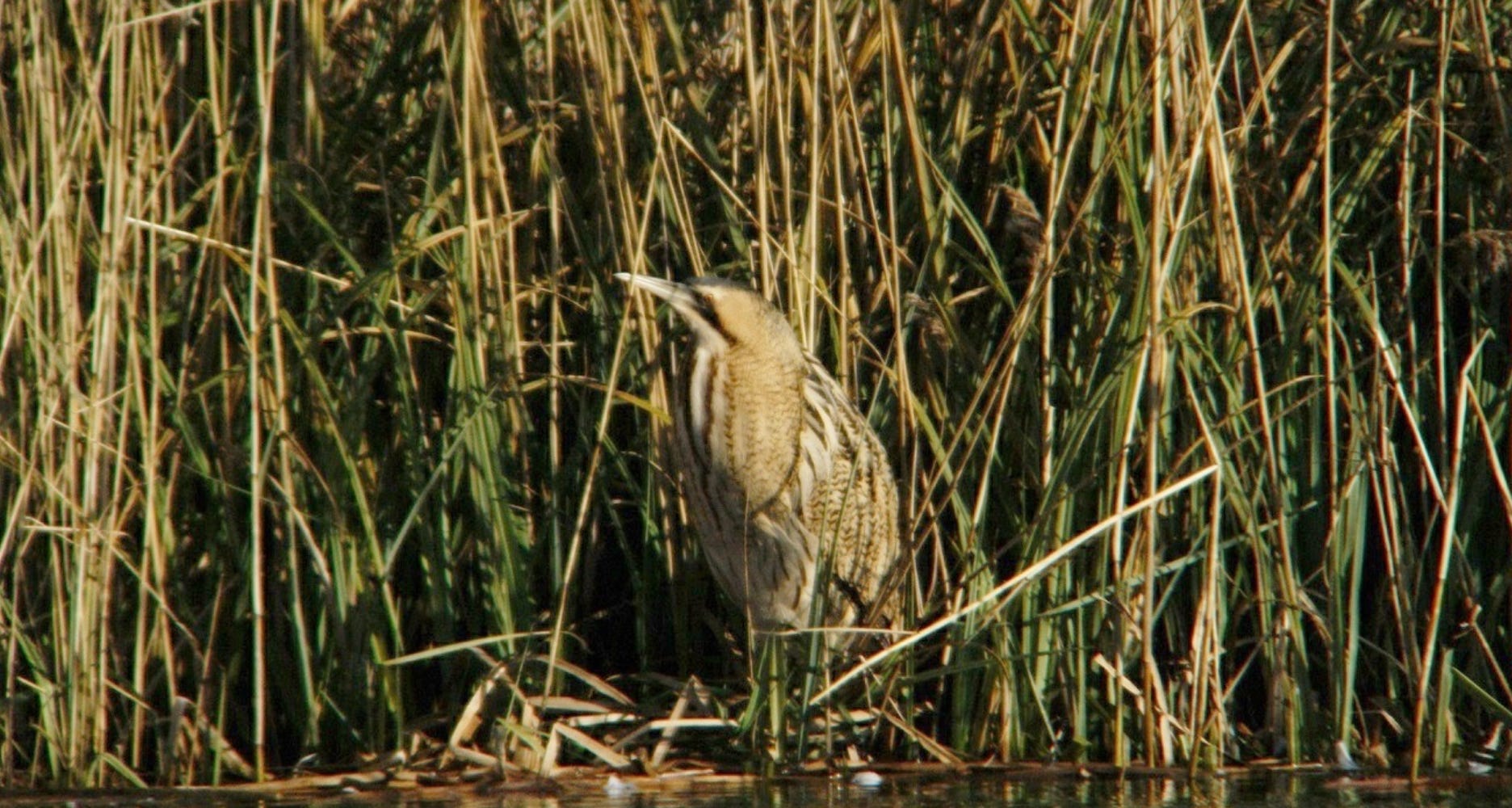
I’ve even had nature royalty visit. Corinne tells me I sound like a London taxi driver when I get home and blurt out in my excitement the equivalent of ‘you’ll never guess who I had in the back of my cab today’ - this Springwatch presenter or that wildlife influencer or even the odd celebrity that I had no idea was into birdwatching. As you can probably tell, I am quite possessive about ‘my hide’.
I have only guided there for just under a year but I have more than a few colleagues who have been volunteering there for many years, some even since the Centre opened in 2000. That is longer than nearly every one of the staff on the payroll. You could say in many senses that the volunteers hold at least as much of the ‘corporate memory’ of the place as their salaried counterparts. These long-standing volunteers have seen staff and working practices come and go, but most just carry on with what they have been doing with a quiet passion for years and decades.
There is another nature-based organisation I am involved where time passes in a curious fashion.
I support the Essex Wildlife Trust with a provision in my will to purchase nature depleted land near the coastline, part of the East Atlantic Flyway which passes down the eastern side of England. The whole route is before UNESCO for consideration to gain World Heritage Status.
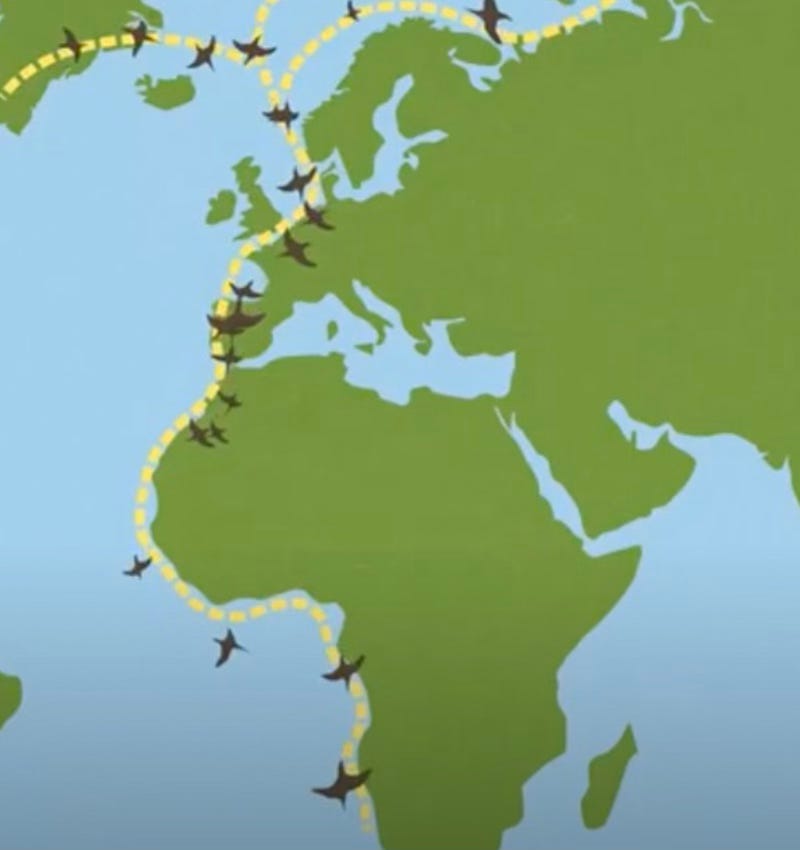
I would like to do my bit and help purchase a few acres after I am gone that could fill in the gaps.
I liaise with the donor team at Essex Wildlife Trust and they are brilliant. But if I continue to live what I hope is a long and healthy life, it is highly unlikely to be Becky and Lizzy that deal with my will when the time comes. It probably won’t even be their successors either or their successors’ successors. Of course by definition I won’t be around either.
Today I very much feel part of the team when I go and visit the guys, but when it’s time to sort things out everyone involved will be complete strangers to each other. My children working with a completely different team at the Essex Wildlife Trust.
Just like with the long-standing volunteers at the London Wetland Centre, I think it’s an interesting example of the way that time passes and people come and go.
In both cases but and in very different ways, that handful of future acres on the Essex coast and that restored patch of nature in front of my hide in London are landscapes I can call my own.
But within the infinity of time, these are landscapes that we but flit in and out of.
Interesting comparison between volunteers and Dad's Army. Its prompted me to see some of my fellow trustees a little differently!
Thanks for this interesting article. It reminds me I need to visit the London Wetland Centre next time I’m in the capital. I’ve seen it on TV a few times.